Headlamp adjuster
Wiper gearbox
Wiper linkage
Washer pump seals
Wiper motor bearings
Headlamp washer seals
Hood latch
Hood hinges
Cooling-fan bearings
Door latch
Door-lock actuator
Window regulator
Window guide rails
Power-fold mirror actuator
Door seals
Door-handle pivots
Door-trim interfaces
Door lock cylinder
Mirror glass tilt gears
Mirror adjustment pivots
Interior mirror ball joint
HVAC flap actuators
Rotary controls
Glove-box mechanism
Cupholder slides
Gear-selector mechanism
Sun-visor hinges
Vanity-mirror slider
Dashboard trim contacts
Console plastic guides
Seat rails
Seat drive actuator
Backrest recliner
Lumbar actuator
Headrest posts
Seat control cables
Tailgate latch
Fuel-flap hinge
Power-tailgate lead screw
Inflator reduction gears
Inflator motor bearings
Cargo-cover mechanism
Dashboard connectors
Seat connectors
Door/window connectors
Tail-light connectors
Switch contacts
Position sensors
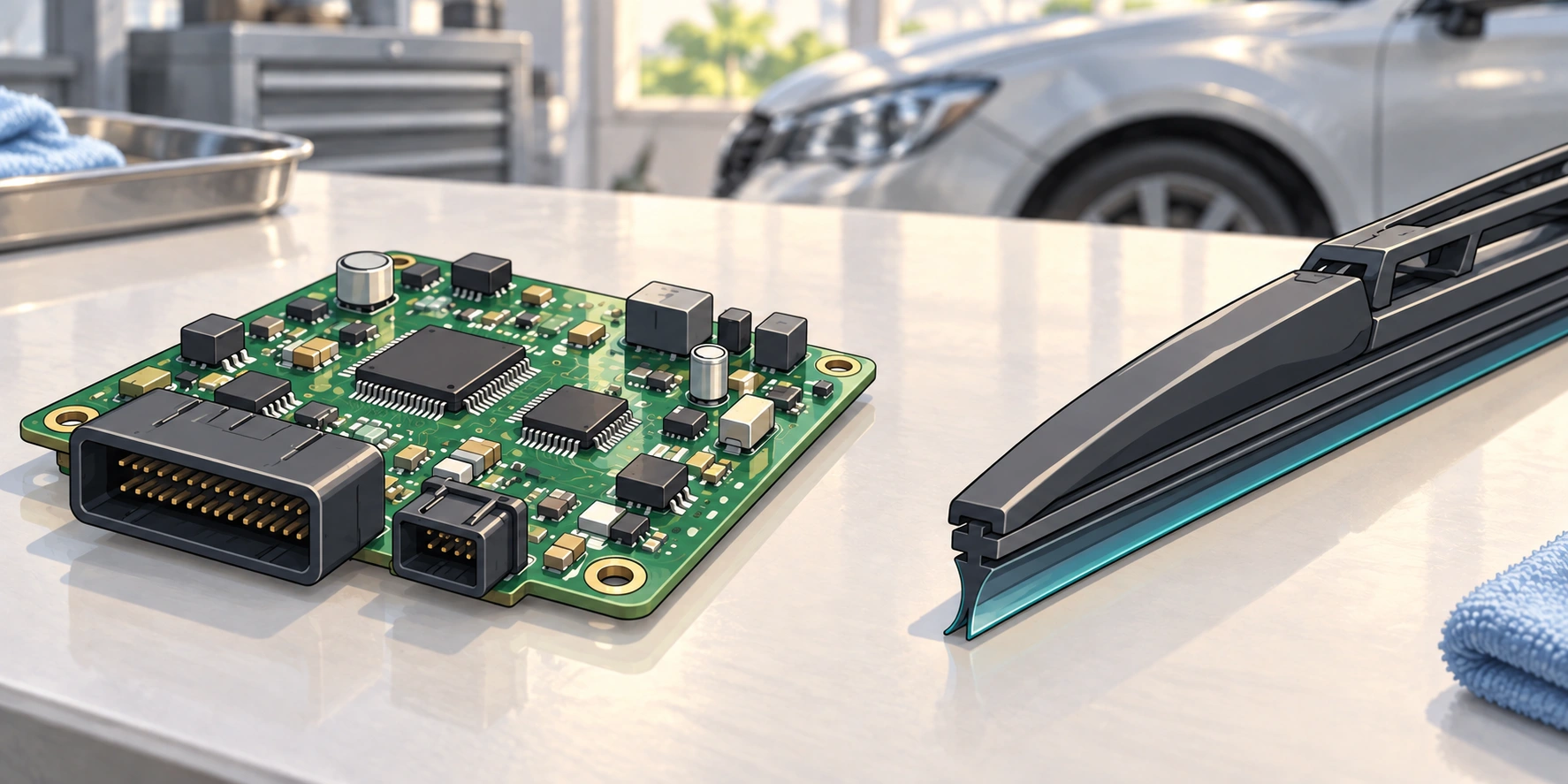
ECU PCB headers
Exterior-mirror connectors
Digital-mirror connectors
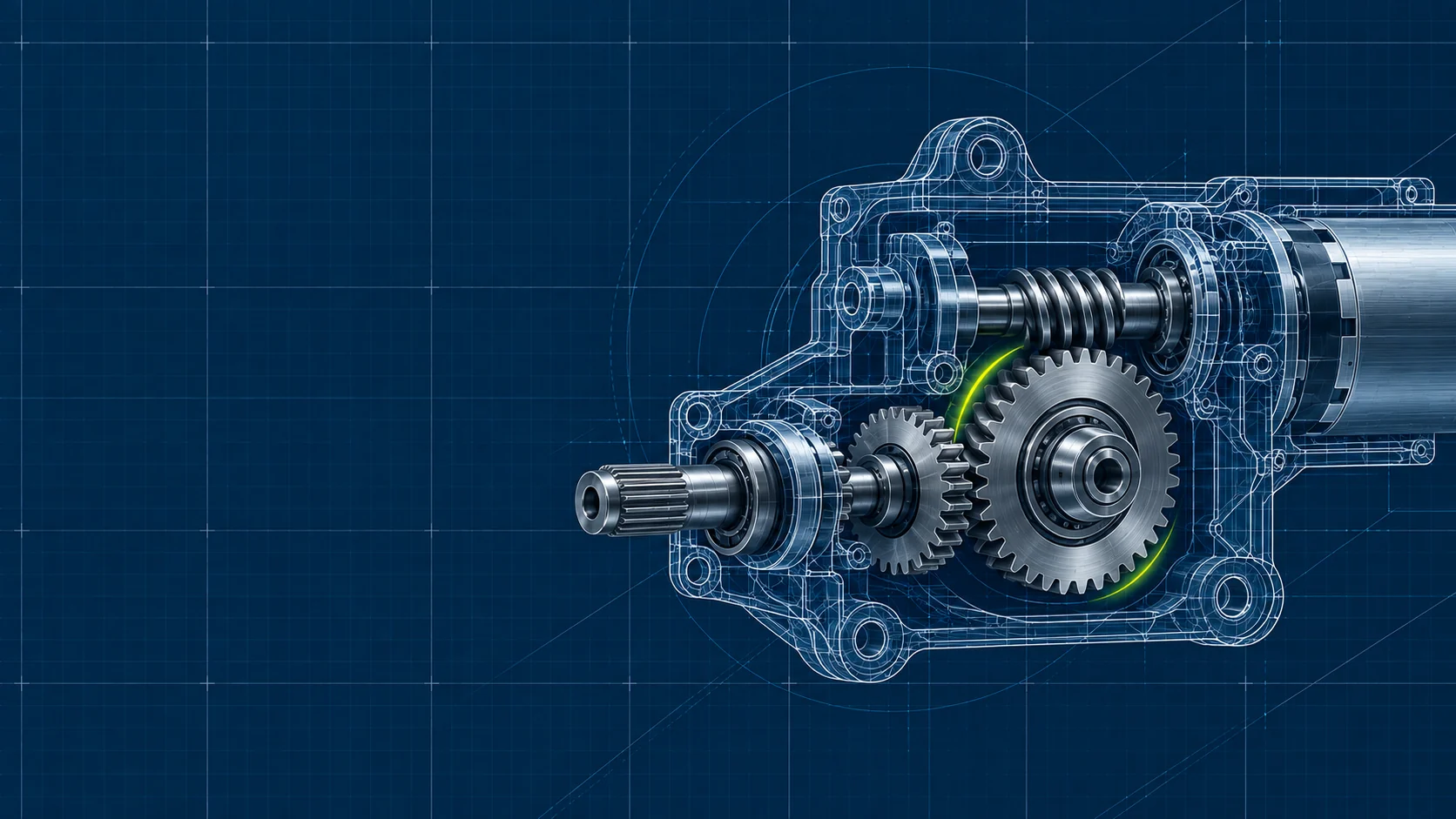
EPS worm gears
EPS ball screw
Steering-column bearings
Telescopic steering shafts
Steering-column U-joints
Steering tilt adjuster
Parking-brake cable
Shift cable
CV joints
Drive-shaft splines
EPB spindle drive
Caliper guide pins
Sunroof guide rails
Sunroof drive gears
Sunroof cable guides
Sunroof seals
Sunshade axle
Sunshade guide rails
Mirror-glass reduction gears
Mirror-adjustment arc teeth
Mirror support & guides
Power-fold worm & gear contacts
Folding pivot & supports
Functional friction contacts
MOTION IN EVERY DETAIL.
Small details.Smoother journeys.
Doors, seats and cabin connectors. Steering and drive systems. Specialty lubricants for the motion inside.
Automotive applications→
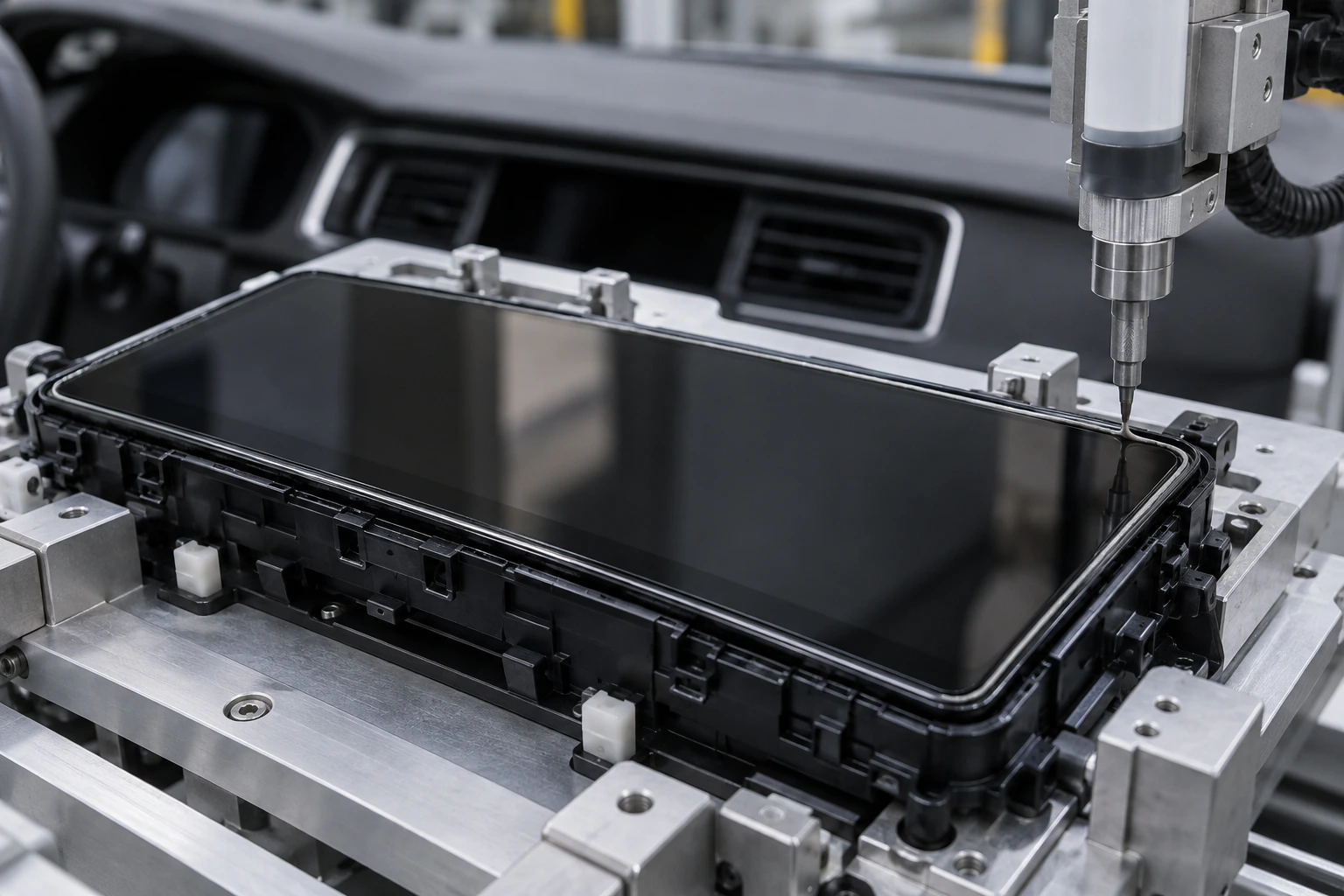
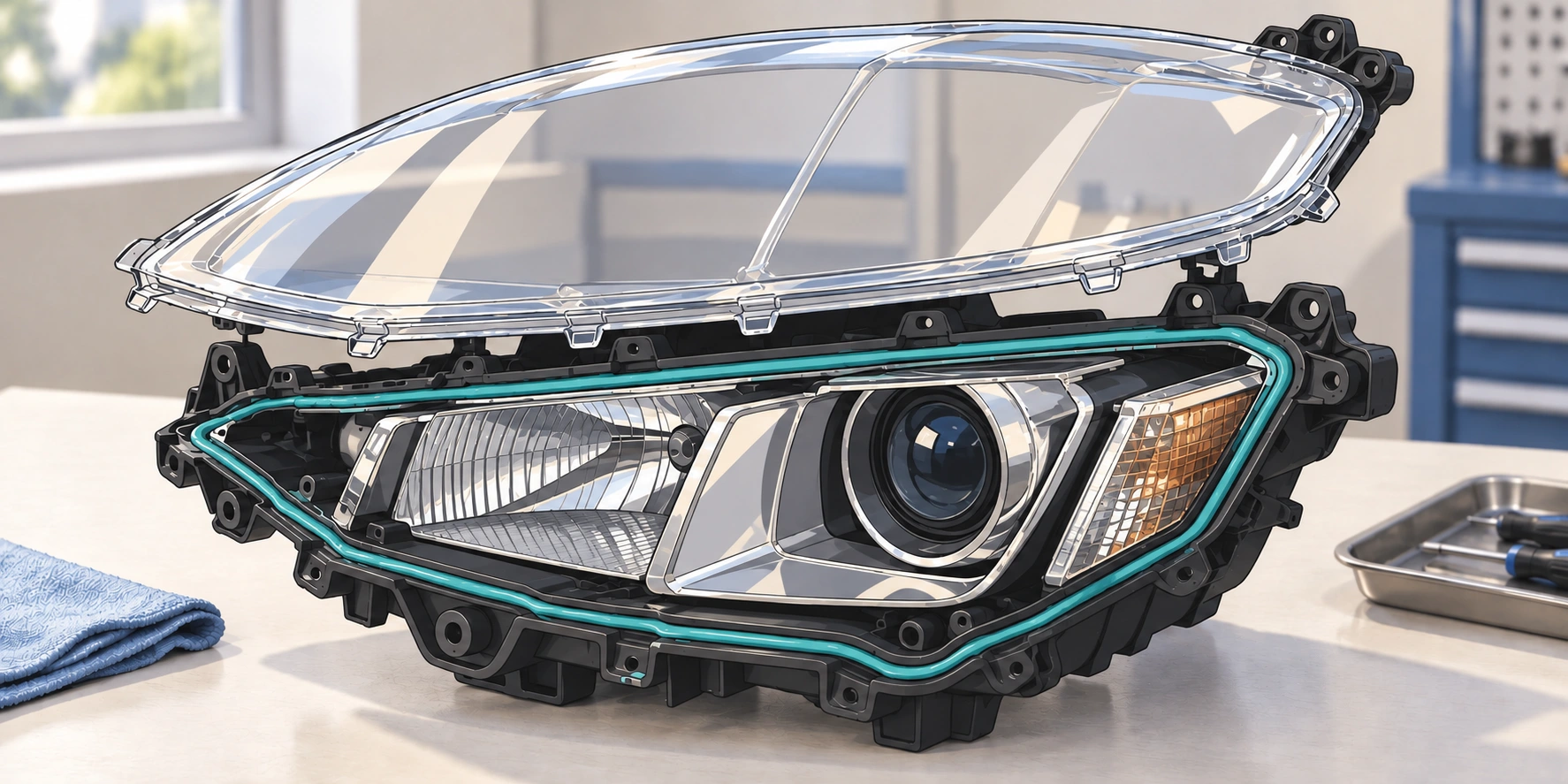



 01 / AUTOMOTIVE
 03 / INDUSTRIAL
 04 / APPLIANCE